Homes and streets in Markham Village
The historic core of Markham Village runs along Main Street North around Highway 7, with nineteenth- and early twentieth-century houses on side streets nearby. Around it are post-war bungalows, 1960s and 1970s split-levels and a scattering of newer infill. Some lots slope toward the Rouge River valley, which affects groundwater and drainage.
Older houses here may still have short runs of galvanized steel supply, often hidden behind finished walls. Drains are typically cast iron, with clay laterals out to the street in many older blocks.
Plumbing problems we see there
- Galvanized pipe rusting inside and starving upstairs fixtures of pressure.
- Cast iron hubs leaking at the lead and oakum joints.
- Clay sewer laterals with offset joints and roots.
- Basements on sloped lots taking groundwater after heavy rain.
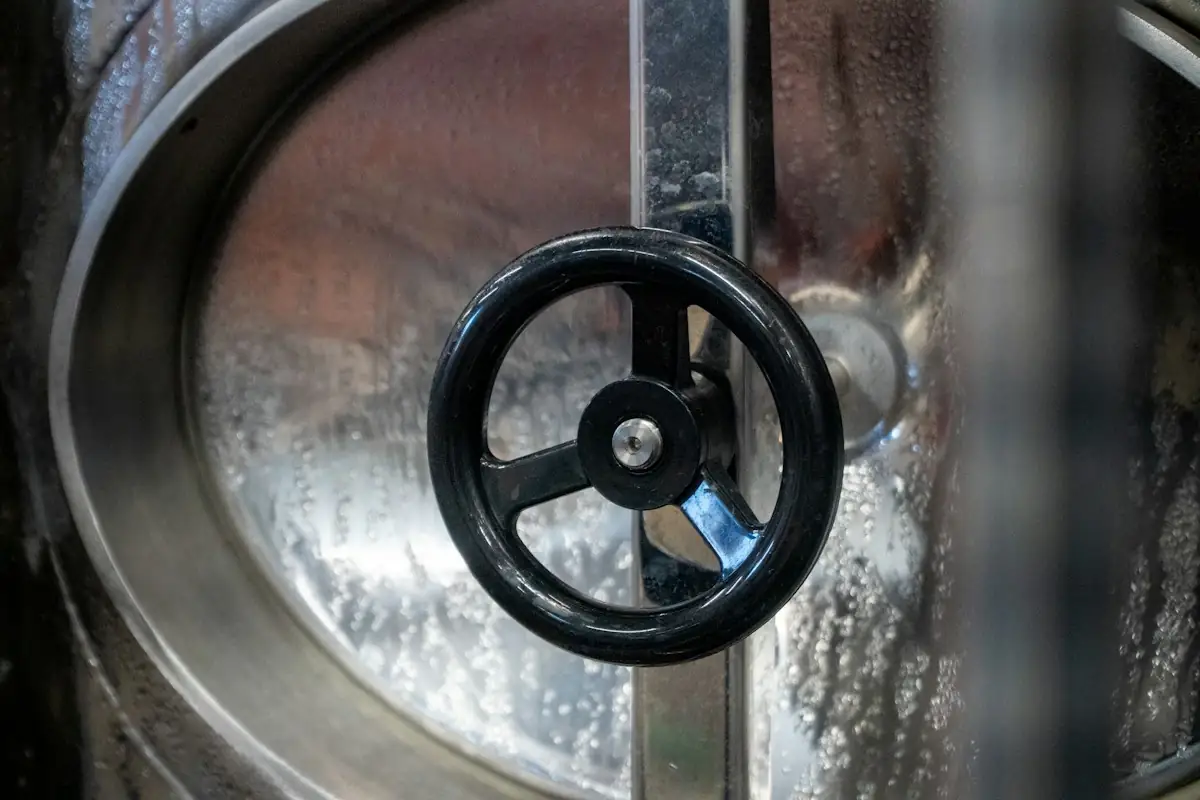
- Wheel-handled mains that leave a trickle when shut.
Seasonal concerns
Spring thaw raises groundwater on lots near the valley, putting sump pits under steady load. Heavy summer storms test older laterals and floor drains. In winter, pipes in uninsulated rear additions and enclosed porches are at greatest risk.
Services most requested
Markham Village calls most often involve repiping galvanized lines, main shut-off replacement and tree root sewer repair. We also fit sump pumps where basements have started taking water. Older homes in neighbouring Unionville face similar issues.
Give us the build decade and say whether the lower level is drywalled, because that shapes how we get at the piping.
Pressure and the original service
Houses close to the old village centre were often connected to the municipal main with a narrow service pipe. Combined with rusting galvanized branches, that can leave a second-floor shower dribbling while the kitchen tap runs. A pressure gauge on a laundry tub and a look at the service where it comes through the wall tell us whether the bottleneck is the street connection, the inside piping or simply a half-closed valve. Fixing the right part first keeps the cost sensible.
Markham note: village-core houses tend to hide cast iron and galvanized behind plaster, while Cornell and Box Grove builds run PEX to a manifold. We ask the year your house was built so the right fittings ride along on the truck.
Straight from the phone log
What does galvanized pipe look like?
Dull grey steel with screwed joints that will hold a magnet. Copper has a reddish-brown sheen; plastic needs no description.
Can a clay sewer line be lined instead of dug up?
Sometimes. Trenchless lining depends on the pipe condition and layout, which a camera inspection shows.
Ready to get it fixed?
One call, a clear explanation, and work finished tidily before we leave.